The Chinese solar calendar does not cut summer into a single block: it listens to it by stages. From 7 to 22 July we cross 小暑 (Xiǎoshǔ), the “Minor Heat” — eleventh of the year’s twenty-four breaths.
Its name says everything about its shade of meaning: the heat asserts itself, but it has not yet reached its peak. That summit belongs to the following breath, the Major Heat.
What the tradition observes
Xiǎoshǔ belongs to the Fire (火) Phase: expansion, full light, days that overflow. The tradition adds a second reading — the damp.
In July the heat often turns muggy, and the ancient texts describe this period as the one in which “the earth steams”.
It is the moment when care is taken not to let the heaviness settle in: the plate is lightened, the pace slows in the hot hours, brisk activity is kept for the morning.
Gentle coolness, not brutal coolness
The modern reflex in the face of a heatwave — ice creams, iced drinks, cold draughts — makes the scholars of the tradition smile: for them, brutal cold in high summer goes against the body more than it cools it.
The wisdom of Xiǎoshǔ prefers gentle coolness: light flavours, infusions warm rather than iced, plants that see the damp on its way out instead of fixing it in place.
At the counter just now
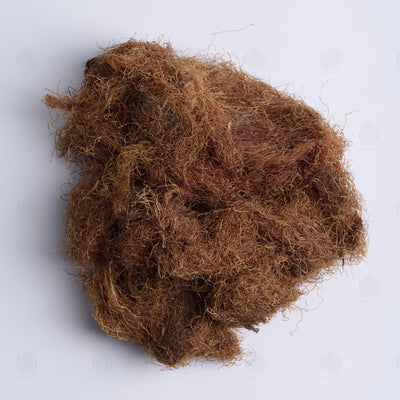
Two classic companions to this season in the pharmacopoeia: Job’s tears (薏苡仁 Yì Yǐ Rén), sweet and bland seeds that the tradition associates with damp ground, and Corn silk (玉米须 Yù Mǐ Xū), silky filaments gathered from summer cobs, of neutral nature, which traditional usage places in the Li Shui (利水) family.
Both are prepared as a light decoction — a simple gesture, worth taking the time over.
Minor Heat: the Yang shines with all its brilliance, and that is precisely the hour to learn measure.